DO YOU KNOW? History of fire prevention
Did you know that many modern fire safety regulations are rooted in the past?
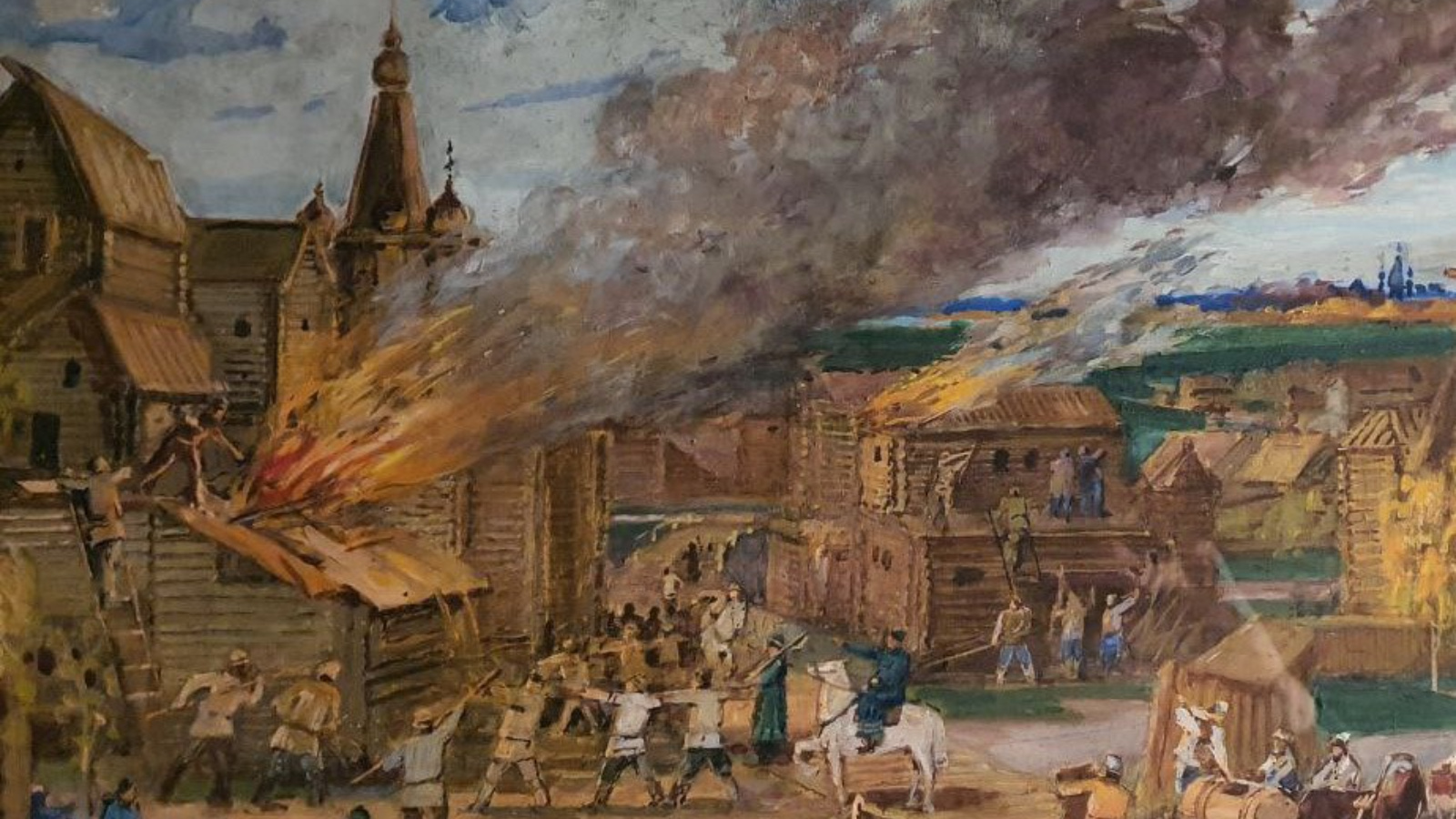
In 1493, Moscow burned down almost to the ground twice. The wooden buildings were so dense that the fire spread from roof to roof in a matter of minutes. After these tragedies, Prince Ivan III ordered the clearing of a nearly 240-meter-wide strip near the Kremlin and the prohibition of any construction there. This is how the first fire gap appeared – it became the prototype of those standards that are still in force today.
And in 1504, the first official prohibitions appeared: it was forbidden to heat baths and furnaces in summer unless absolutely necessary, and artisans were forbidden to equip furnaces and smelters close to their homes. Violations were punished. And at the same time, a system of patrols was introduced: outposts with guards on duty were set up at the ends of the streets in order to notice the smoke as early as possible.
After the Great Fire of 1547, Ivan the Terrible went even further: he ordered barrels of water and wet brooms on poles to be kept in every yard – they knocked down sparks so that the fire would not spread further. In fact, it was the first "fire corner" in history: simple, accessible and understandable to everyone.
Every rule of those years appeared not out of abstract considerations, but as a direct response to a real disaster. And the main conclusion that was drawn centuries ago remains just as important today: it is much easier to prevent a fire than to deal with its consequences.